As 2025 draws to a close, South Africa enters a period marked by improved governance, stronger global confidence, and healthier property-market fundamentals creating meaningful opportunities for both developers and buyers.
EU Investment Strengthens
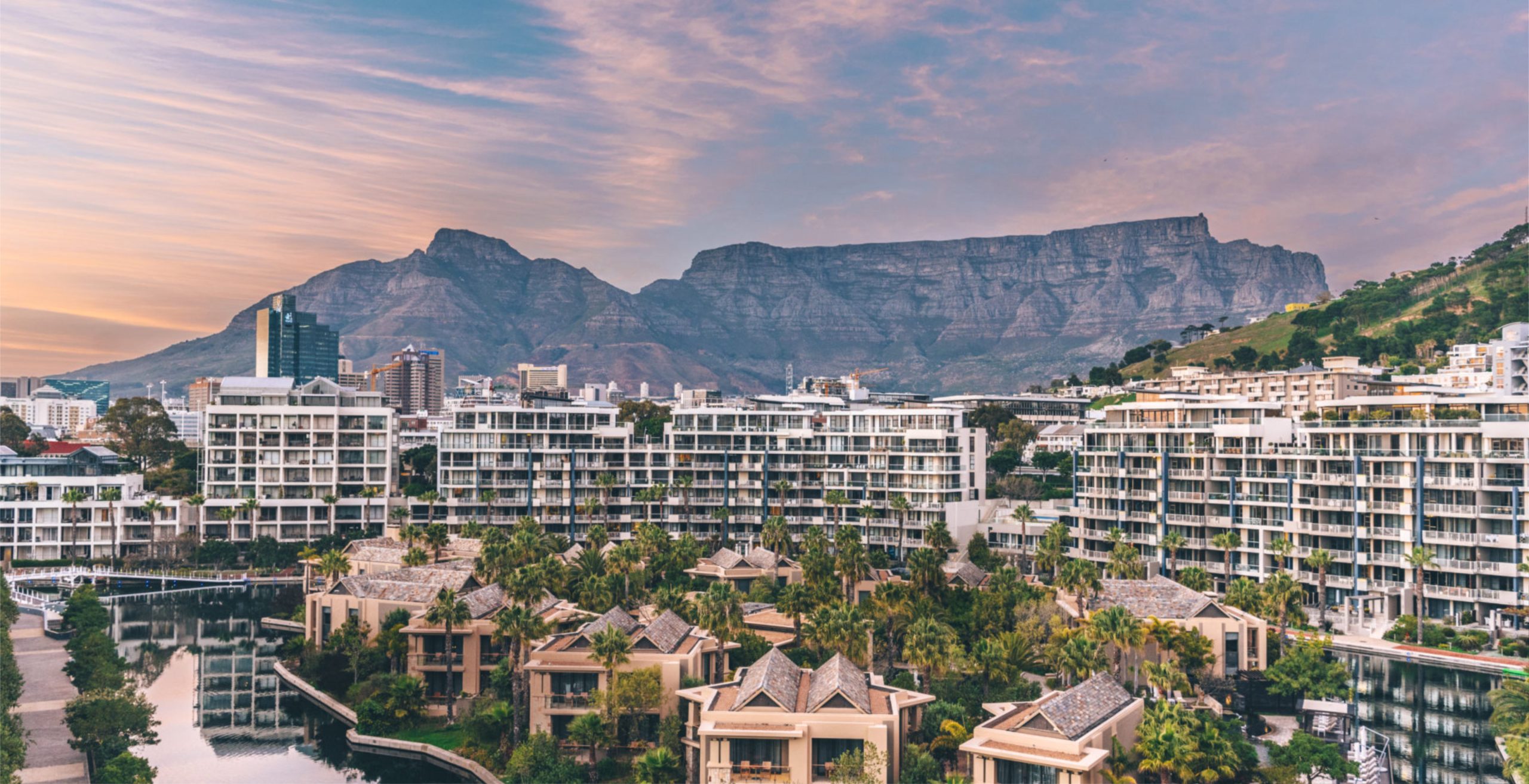
Europe’s commitment of €12 billion towards South Africa reflects a deepened trust in our economic trajectory. This aligns with rising global interest in Western Cape real estate, especially in high-demand suburbs where supply remains limited.
Interest Rates & Bank Health: A Positive Trend
A 25 basis point cut on 19 November brings the prime lending rate down to 10.25%, giving households additional breathing room heading into 2026. Prime overdraft rates peaked through 2023/2024 and have since trended downward. Bank impairment ratios are consistently improving, reflecting a more resilient banking sector. This combination of lower rates + healthier banks supports affordability and boosts confidence in residential investment.
Western Cape Market: High Demand, Limited Stock
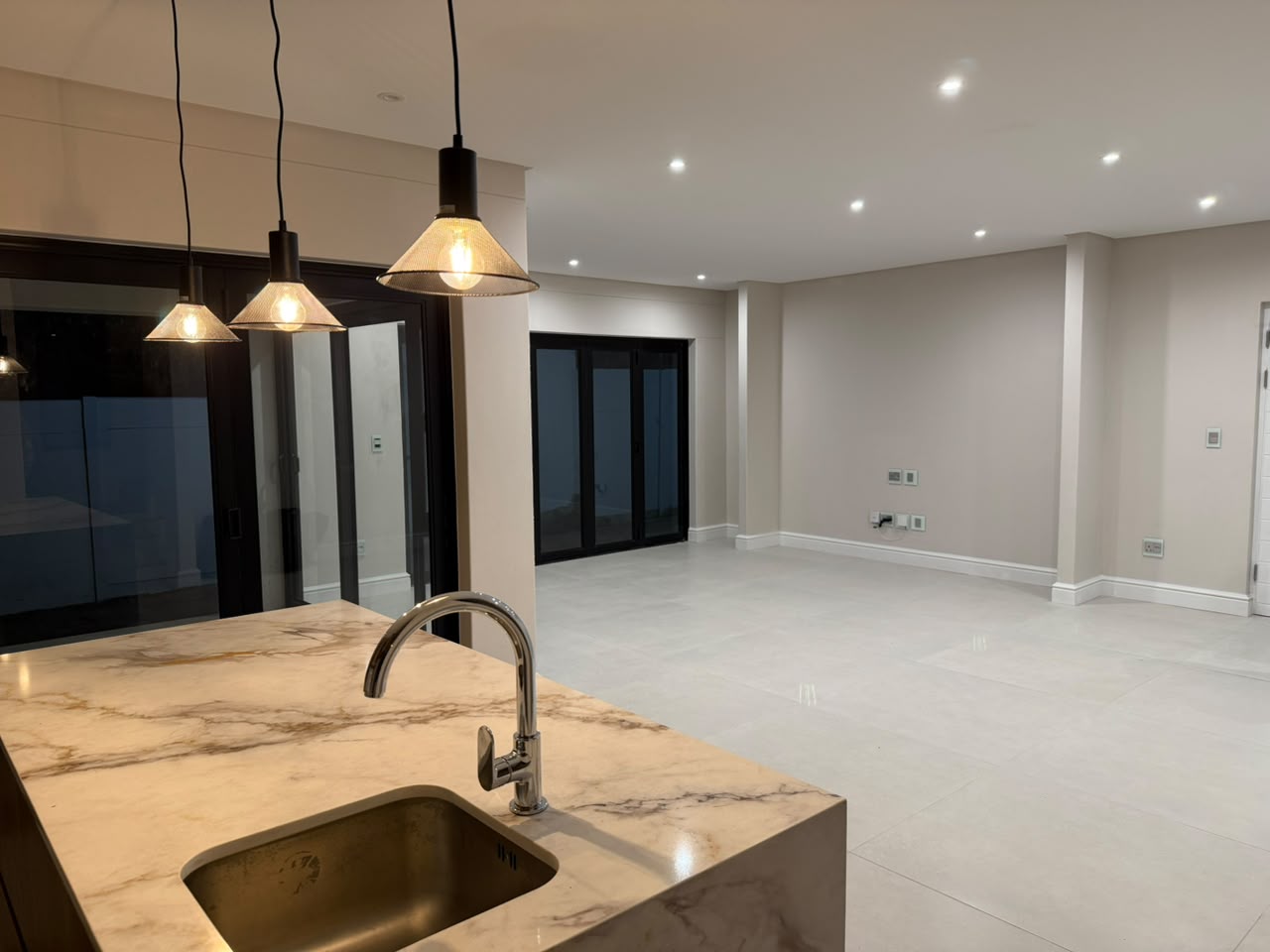
Demand for townhouses and bespoke luxury homes continues to outstrip supply, especially in high- value, well-located suburbs. The most active buyer segment remains 40–60 years old, financially established are targeting long-term, secure, low-maintenance living.
Semigration patterns are creating two scenarios:
1. Scarcity of stock
2. Driving property inflation upward
Our continued focus for the medium term are:
– Claremont
– Newlands
– Upper Wynberg
– Constantia, and surrounding suburbs
Prices in these areas continue to rise due to:
– Lifestyle migration (semigration)
– Stable governance in the Western Cape
– Limited availability of serviced residential land
– Consistent international interest
Redevelopment & Density: The New Reality
Availability of freehold residential stock is narrowing. As a result, redevelopment and densification are becoming the natural evolution of prime suburbs.
Encouragingly:
– BDM (Building Development Management) processes are moving with more clarity
– LUMS and policy frameworks have become more accommodating
– Municipal attitudes favour well-designed infill, subdivisions, and multi-unit schemes
This environment is strongly aligned with the HAAIZ development model — boutique, secure, and high-quality.